
Most Investors Misunderstand the Stock Market. Here's the One Sector I'm Buying Now.
 2026-10-07 22:15
•Reuben Gregg Brewer •The Motley Fool
•••••• •••••
2026-10-07 22:15
•Reuben Gregg Brewer •The Motley Fool
•••••• ••••• Axe Cap view
Most Investors Misunderstand the Stock Market. Here's the One Sector I'm Buying Now.
Long-term business value beats short-term noise, and consumer staples stand out today.
Most retail investors get trapped in short-term price swings, mistaking the market for a popularity contest rather than a measure of true business worth. Benjamin Graham nailed it: the market is a voting machine day to day, but the weighing machine over time. Consumer staples, like McCormick, rarely capture headlines but can offer steady, reliable returns. McCormick has quietly delivered organic growth and sports a strong 4% dividend. Its move to buy Unilever's food business could deepen its footprint and add scale, which Wall Street currently underestimates. For South African investors, while McCormick itself isn’t on the JSE, the consumer staples sector’s resilience should prompt a look at local defensive plays, like Shoprite or Woolworths, especially as rand weakness makes imported goods pricier. That said, if inflation eases faster than anticipated or consumer trends shift, staples could lose some appeal. this is just our opinion and not financial advice
I’d selectively buy into South African consumer staples like Shoprite and Woolworths to play defensive growth, while watching USD/ZAR closely as a barometer for consumer cost pressures tied to imports.
- Shoprite
- Woolworths
- USD/ZAR
- faster than expected inflation decline
- consumer spending shifts away from staples
6/10
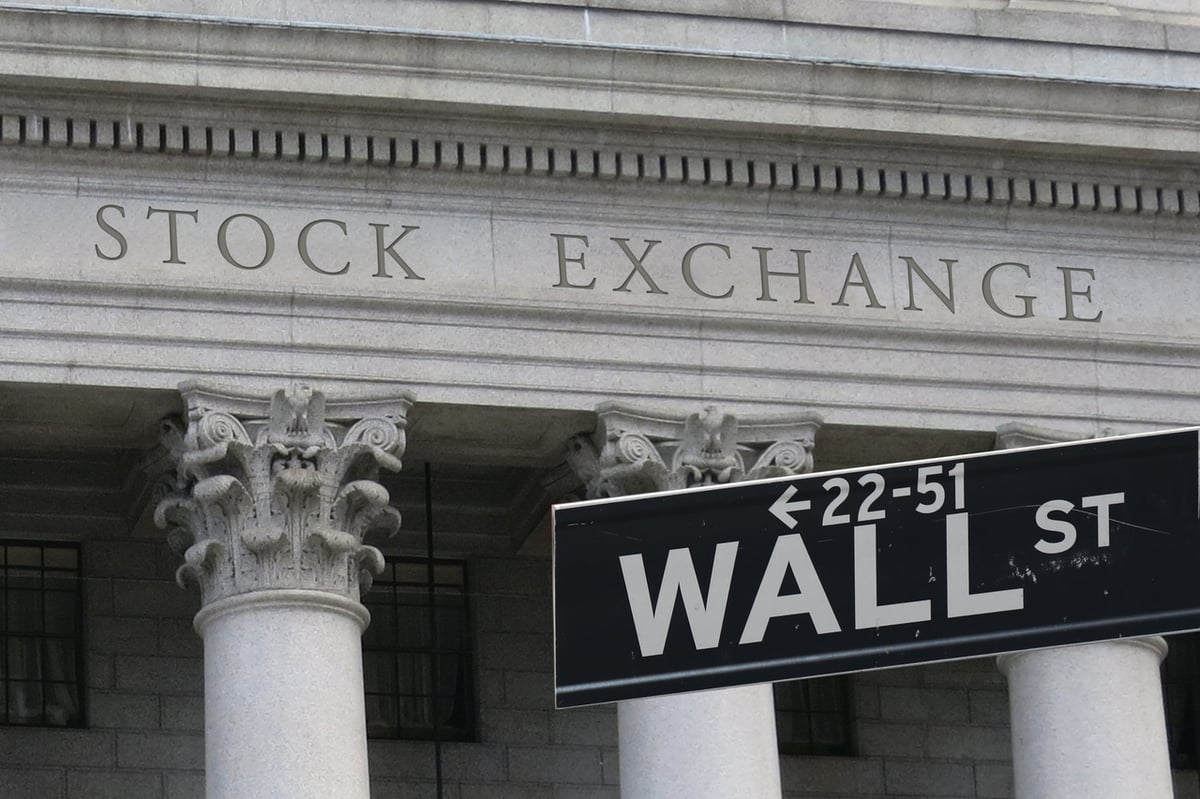
The author argues that most investors misunderstand the stock market by focusing on short-term price movements rather than long-term business value. He explains Benjamin Graham's concept of the stock market as a 'voting machine' in the short term (driven by emotions) and a 'weighing machine' in the long term (reflecting true value). Taking advantage of current market pessimism, the author has doubled his position in McCormick, a well-run consumer staples company with a 4% dividend yield, believing Wall Street is undervaluing it despite solid fundamentals and a planned acquisition of Unilever's food business.
Our take is based on reporting first published by The Motley Fool.