
Google Just Went Nuclear in Georgia. These 2 Industrial Stocks Get Paid to Build It.
 2026-10-01 20:05
•Leo Sun •The Motley Fool
••••• ••••••••••••••
2026-10-01 20:05
•Leo Sun •The Motley Fool
••••• •••••••••••••• Axe Cap view
Google’s Nuclear Bet and What It Means for SA Investors
Google’s nuclear push in the US signals energy shifts with subtle rand and JSE sector implications.
Google’s recent commitment to nuclear plant upgrades in Georgia is a clear bet on reliable, green energy to fuel its AI data centers. While South Africa doesn’t have a direct nuclear play on the JSE, the broader energy story matters. Sasol, for instance, stands at a crossroads with energy security and transition challenges. A global pivot to stable low-carbon power signals pressure on South African coal-reliant utilities, which underpin many local firms’ costs. The rand’s next moves could be shaped by shifts in global energy investment sentiment, meaning USD/ZAR must be watched closely. Industrial stocks exposed to power infrastructure upgrades overseas, like Barloworld, might indirectly benefit over time. But this is a long game—regulatory hurdles can stall projects for years. If the global nuclear buildout falters or AI demand slows, the expected boon could stall. For now, the safest local play remains clarity on energy investments and currency flows, not chasing overseas nuclear stocks. this is just our opinion and not financial advice
Trim exposure to energy-intensive sectors like Sasol until clearer South African policy emerges; watch USD/ZAR closely for volatility tied to global energy moves. Consider selective industrials with infrastructure ties like Barloworld as a watch position.
- USD/ZAR
- Sasol
- Barloworld
- Delays or cancellations in nuclear projects globally
- Volatility in rand due to global energy investment shifts
6/10
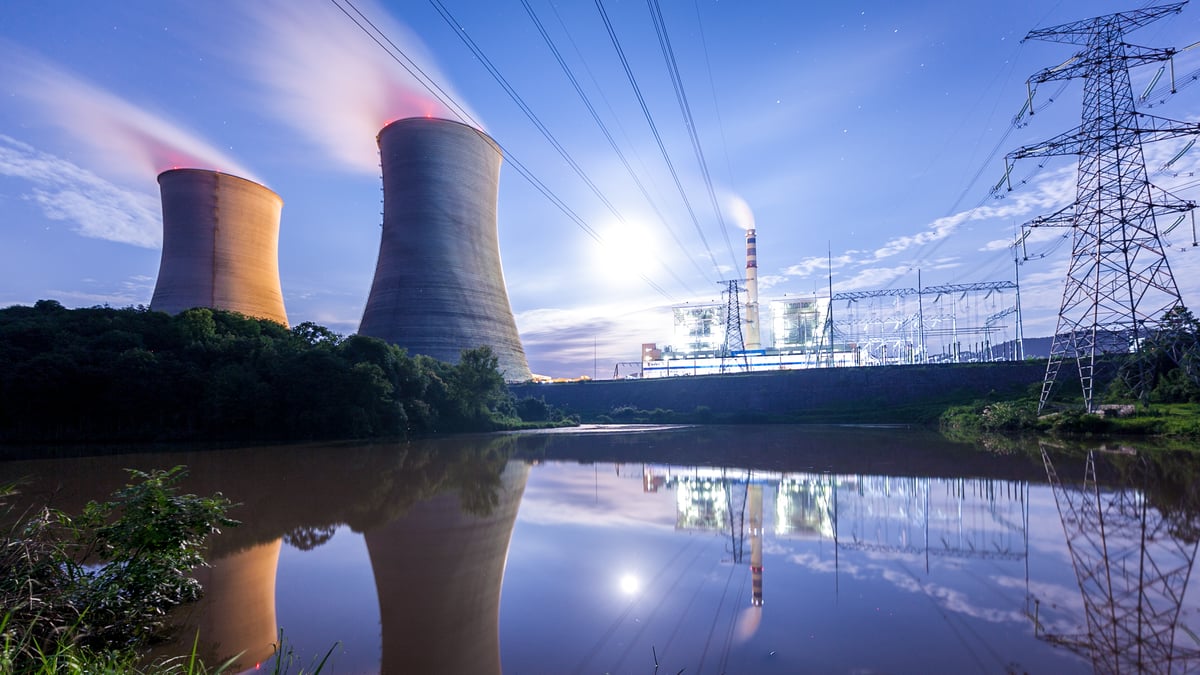
Google struck a deal with Georgia Power to fund nuclear plant upgrades at Vogtle and Hatch facilities, adding 96 MW of capacity to support new data centers. GE Vernova and Brookfield Renewable are positioned to benefit from the upgrades through their nuclear technology and services divisions, though regulatory approval and multi-year timelines remain.
Our take is based on reporting first published by The Motley Fool.