
The Latest Example of BYD Becoming No. 1 Globally Isn't a Joke
 2026-09-30 17:45
•Daniel Miller •The Motley Fool
•• •••••••
2026-09-30 17:45
•Daniel Miller •The Motley Fool
•• ••••••• Axe Cap view
BYD’s Rise Signals Shift in Auto Industry Power
Chinese EV maker BYD’s rapid global growth challenges old leaders and alters the competitive landscape.
BYD is no longer just a local player in China; it's aggressively expanding its footprint in Europe with sales up over 130% recently. This growth threatens established automakers like Toyota, which BYD aims to surpass by 2030. For South African investors, this development matters because it pressures global supply chains and technology trends that local players like Barloworld and Motus follow closely. Plus, a cheaper, efficient EV alternative abroad could eventually influence local preferences and import patterns, impacting Rand volatility via USD/ZAR as international trade flows adjust. That said, BYD’s exclusion from the U.S. market due to tariffs tempers its global dominance—for now. If that barrier falls, expect a bigger shake-up. Still, the shift hints that South African industrial and auto sectors need to watch these global moves carefully and adapt to faster innovation cycles. this is just our opinion and not financial advice
Watch Barloworld and Motus closely as they navigate a changing auto tech environment—hold positions for now and avoid adding exposure until clearer signs of adaptation emerge. Keep an eye on USD/ZAR for currency moves related to global trade shifts.
- Barloworld
- Motus
- USD/ZAR
- BYD faces political and tariff risks limiting U.S. market entry
- Sudden shifts in global supply chains could disrupt South African industrial supply
6/10
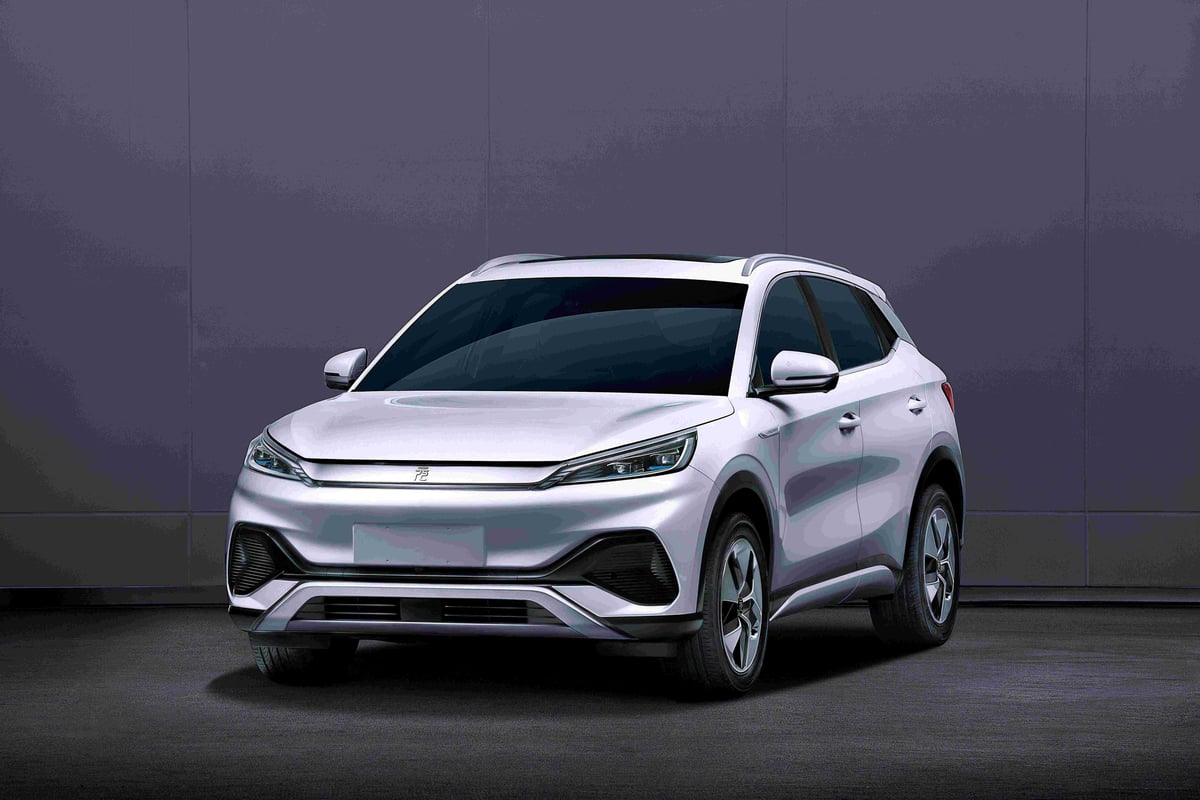
Chinese automaker BYD is rapidly expanding its global presence, particularly in Europe where its sales jumped 131% in August and achieved 11.7% market share. BYD aims to surpass Toyota as the world's top-selling automaker by 2030, though U.S. tariffs currently block its entry into the American market. The company's growth demonstrates that Chinese automakers are now a serious competitive threat globally.
Our take is based on reporting first published by The Motley Fool.